Weekend and seasonal stalls
Many markets run weekly from late spring through the autumn harvest, then move indoors or pause for winter. Holiday craft sales in November and December are often the single busiest dates of the year.
A reader-focused record of weekend artisan markets, shared studios, and maker collectives across Canadian towns — how they work, what sells, and the practical detail behind each stall.
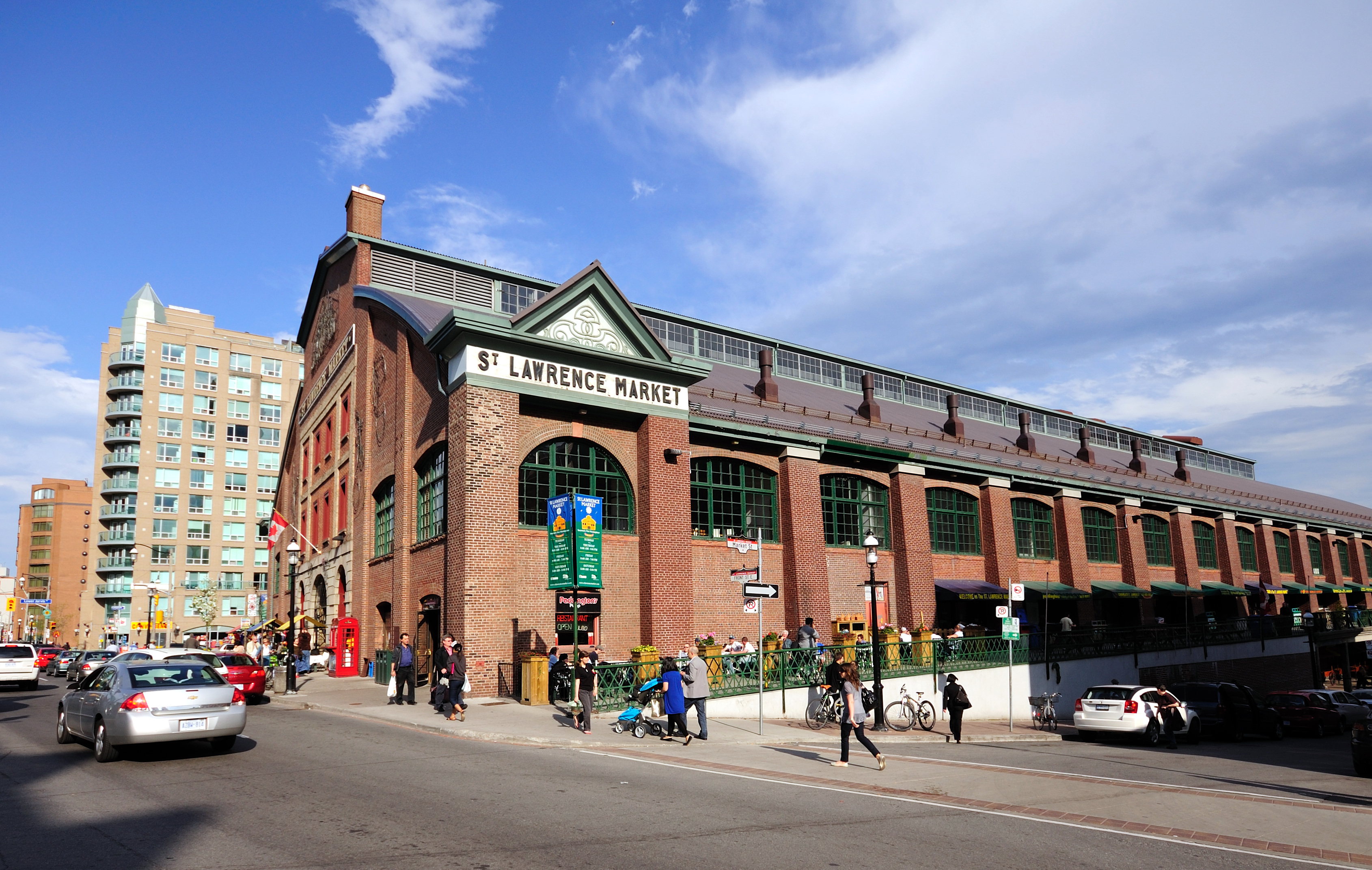
Most towns run their markets on a familiar pattern: a community hall, a fairground, or a closed main street, filled for a morning with folding tables, hand-lettered signs, and a mix of food growers and makers. The craft side is usually a fraction of the stalls, but it is where repeat visitors linger.
Many markets run weekly from late spring through the autumn harvest, then move indoors or pause for winter. Holiday craft sales in November and December are often the single busiest dates of the year.
Stalls commonly pair functional ceramics, turned and joined wood, knitted and woven textiles, soap and candles, and preserves. Many vendors share a table or rotate weeks to keep fees manageable.
A municipal arena lobby in winter, a covered farmers' market building, or a roped-off block downtown are the typical venues. Power and shelter usually decide what a maker can bring.
These long-running public markets are well documented and open to visitors. They illustrate how craft fits alongside food and produce in different regions.

A covered, year-round market in southern Ontario where prepared food and produce vendors sit alongside makers, a common arrangement in mid-sized Ontario cities.

One of the older continuously operating market sites in Ontario, housed in a dedicated building, where the indoor format keeps craft vendors trading through the cold months.

A fairground-style weekend market on Ottawa's western edge that mixes growers, food trucks, and a rotating set of artisan tables — a typical rural-edge format.
The craft mix at a small Canadian market tends to cluster around a handful of durable, giftable categories. The pieces below are representative of what fills a typical maker's table.

Three pieces that go deeper into how markets, shared studios, and the seasonal calendar shape a maker's year.
 Field guide
How a weekend market is laid out, what a stall costs, and the unwritten rules vendors follow.
 Shared space
The way potters, woodworkers, and printmakers split rent, kilns, and storefront hours.
 Calendar
Why the maker's year on the Prairies runs from spring setup to a packed December.
For corrections, market listings, or to flag an out-of-date detail, use the form or the public contacts below.
Market days, vendor lists, and stall fees change frequently. Confirm details with each market's own listing before you travel.